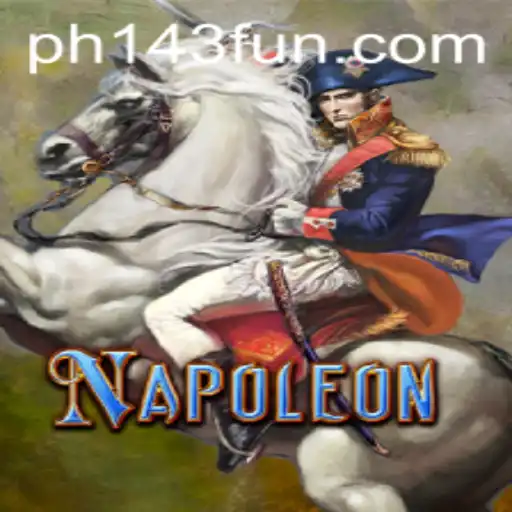
Napoleon: A Strategic Card Game - An In-depth Exploration
The card game Napoleon has long intrigued players with its strategic depth and historical resonance. Often invoked in association with the famous French leader, the game captivates not only with traditional gameplay but also with its adaptability in modern settings. In this article, we dive deep into Napoleon's gameplay, rules, and its correlation with current events.
Introduction to Napoleon
This trick-taking game is typically played with a standard 52-card deck, engaging three to five players. The name Napoleon itself hints at a grandiose and ambitious aim, reminiscent of Napoleon Bonaparte's historic endeavors. As players progress, the game mirrors strategic military campaigns, much like those led by the legendary leader.
The Essence of Gameplay
Napoleon aims to outsmart your opponents by managing bids and winning tricks, which represent each player's strategic actions in the game. The game begins with each player receiving a hand of cards and making a bid on the number of tricks they believe they can secure. The player with the highest bid becomes the 'Napoleon' and tries to fulfill their claim.
Rules of Napoleon
The rules of Napoleon add layers of complexity and intrigue, making it a beloved pastime among card enthusiasts. Players start by dealing out all cards evenly. Once cards are distributed, bidding ensues. Players bid based on the judging strength of their hands. The one declaring the most tricks becomes Napoleon, who leads the gameplay. This player can strategically choose a trump suit to dominate the round.
During play, players must follow the suit of the leader's card if possible. The goal is to capture the number of tricks bid on. The Napoleon faces a particular challenge: securing all claimed tricks against the crux of lower bidders teaming up to stop them.
Strategy and Skill in Napoleon
The game of Napoleon is not just about luck; it requires players to read the hands of others, anticipate their moves, and strategically play their cards. Given its trick-taking nature, holding back a powerful card can be a tactical decision, altering the course of the game decisively.
Strategy in Napoleon involves balancing risk and reward, weighing the probability of winning against the potential loss of failing your bid. These dynamics mirror contemporary global political strategies, where leaders must assess calculated risks and outcomes.
Modern-Day Parallels: Napoleon and Current Events
Amidst the evolving geopolitical landscape, Napoleon resonates with strategies seen in today's global dynamics. The emphasis on strategic foresight mirrors real-world scenarios where leaders must navigate complex international dialogues and negotiations.
For instance, current diplomatic relations often involve maneuvers similar to the game’s bidding process. In current affairs, nations often find themselves in 'bidding wars', positioning themselves on trade negotiations, technology partnerships, and climactic pacts. The nuanced art of influence and negotiation in the game of Napoleon finds parallels in these global chessboards.
The resilience displayed by nations and their leaders today has noteworthy connections to the card game Napoleon: the need to swiftly adapt strategies in the face of new challenges, much like a skilled player adjusting tactics mid-game.
The Digital Age of Card Gaming
As internet-based platforms grow, the card game Napoleon has made a seamless transition into digital spaces, extending its reach and engaging a broader audience. Online adaptations allow players worldwide to engage in competitive play, bringing communities together around a shared love for strategy.
In an era where connectivity drives numerous industries, the game's digital incarnation offers real-time engagement and strategic enhancement. Online tutorials and forums enhance a player's ability to master Napoleon, while global leaderboards foster a diverse competitive spirit.
Engagement and Community Building
The wide appeal of Napoleon in both traditional and digital formats is further bolstered by community-building ventures. Card game enthusiasts often host tournaments, either in-person or online, fostering a strong sense of camaraderie. Social platforms facilitate lively discussions where strategies are dissected, and winning techniques are shared.
Through these engagements, players not only enjoy the game but also contribute to preserving and evolving its rules. Such real-time interaction highlights the blend of tradition and innovation that card games like Napoleon embody, adapting historical pastimes to suit modern contexts.
The game of Napoleon boasts a rich heritage and remains an engaging strategic pursuit for enthusiasts across the globe. Whether through reverting to its traditional form or embracing its online evolution, Napoleon continues to captivate players with its strategic depth and historical allure. Its unique blend of strategy, skill, and chance ensures its place as a timeless game that resonates with players from all walks of life.